Garbage classification is an important part of modern waste management. By separating different types of waste at the source, recyclable materials can be recovered more efficiently while reducing environmental impact. A complete garbage classification system usually includes waste separation, collection, transportation, processing and resource recovery.
Using suitable classified trash bins is essential for successful waste sorting because clearly marked and properly designed containers help people dispose of different waste types correctly.
?
Garbage classification refers to separating waste into different categories according to material type, disposal method and recycling value.
Common waste categories include:
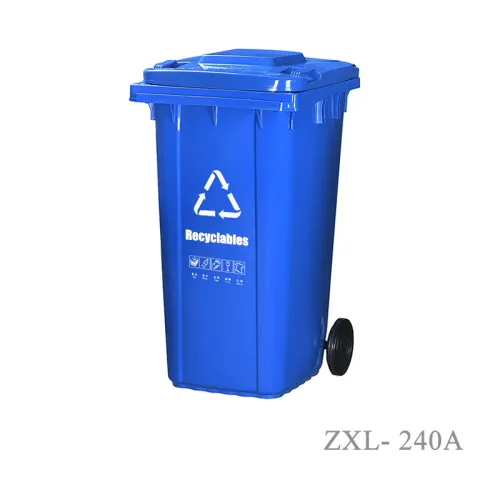
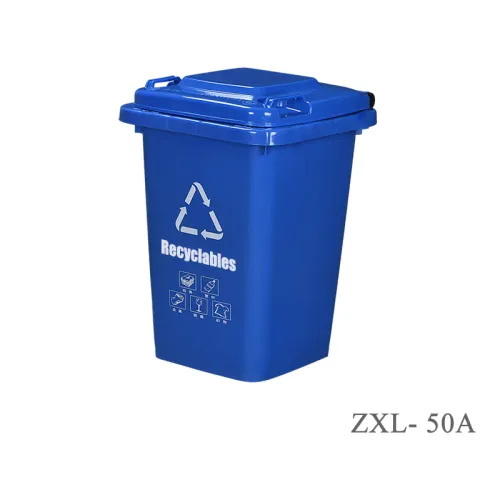
● Recyclable waste
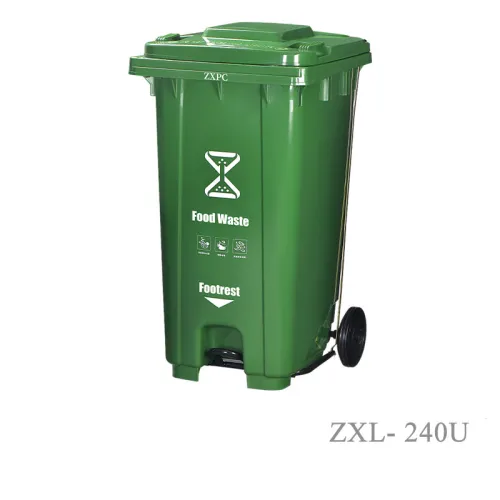
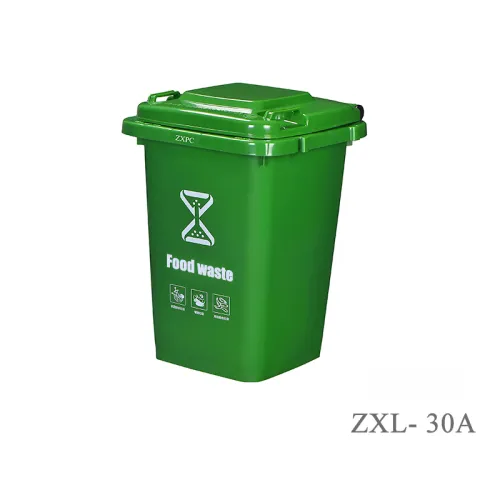
● Food waste
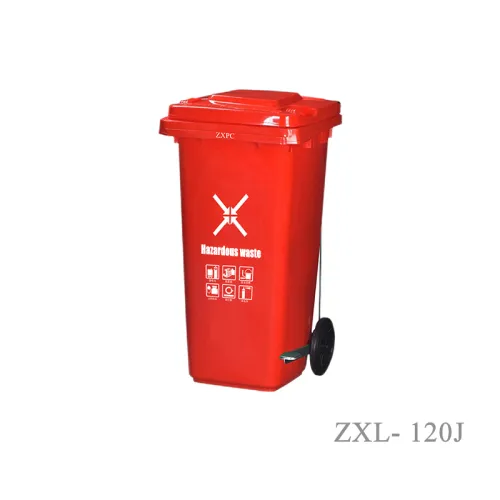
● Hazardous waste
● General waste
Proper classification helps improve recycling efficiency and reduces the amount of waste sent to landfill.
?
?
1 . Classification delivery:
?
Understand the classification standards: First, residents need to understand the local garbage classification standards, which usually include recyclables, kitchen waste (wet garbage), hazardous waste, other garbage (dry garbage) and other categories.
Prepare classification containers: Prepare corresponding garbage classification containers at home to separate different types of garbage.
Correct disposal: Put garbage into the corresponding trash can according to the classification standards.?
?
?
2 . Classification collection:
?
Scheduled collection: Different types of garbage usually have different collection times and frequencies.
Classification and transportation: Use different transport vehicles to transport the classified garbage to the treatment sites.
?
?
3 . Classification processing:
?
Recyclables processing: sent to recycling companies for resource utilization.
Food waste treatment: resource processing through composting and other methods, or sending to biological treatment facilities to be converted into fertilizer or biomass energy.
Hazardous waste disposal: sent to qualified professional processing companies for harmless treatment.?
Other waste disposal: Usually disposed of by landfill or incineration to minimize the impact on the environment.
?
?
4 . resource utilization:
?
Recycling: Recyclable materials such as paper, plastic, metal, glass, etc. are recycled and remanufactured into new products.
Energy utilization: Food waste and other organic waste can be fermented to produce biogas, which can be used for power generation or heating.
Fertilizer utilization: Kitchen waste can be composted and used as organic fertilizer in agricultural production.??
Publicity, education and supervision:
Publicity and education: Popularize knowledge about garbage classification through various channels to enhance the public’s awareness and participation in classification.
?
?

?
A successful garbage classification system depends on proper waste collection containers.
Classified trash bins provide:
Different colors and labels help users identify where to dispose of different waste types.
Separated waste is easier to collect, transport and process.
Closed structures reduce odor, leakage and mixed waste problems.
?
?
Choose according to waste categories:
| Capacity | Application |
|---|---|
| 20L-40L | Offices, schools, indoor areas |
| 60L-120L | Commercial spaces |
| 240L+ | Municipal waste collection |
Indoor:
Outdoor:
?
?
ZXPC provides professional classified trash bins for different waste management applications.
Our products include:
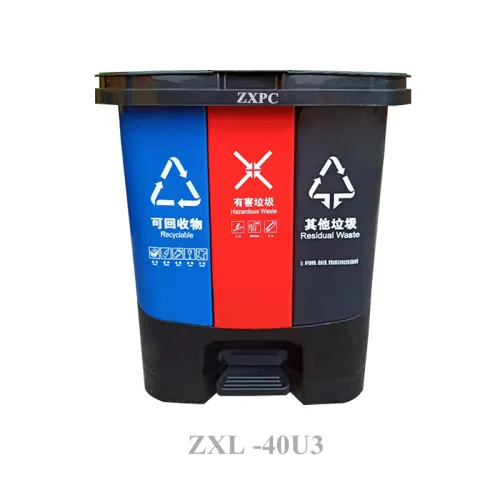
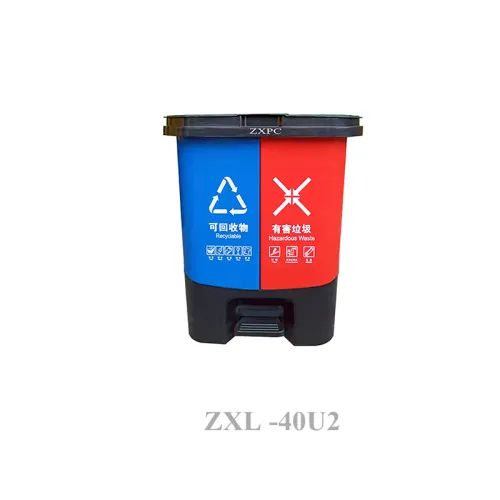
● Double classified trash cans
● Three compartment recycling bins
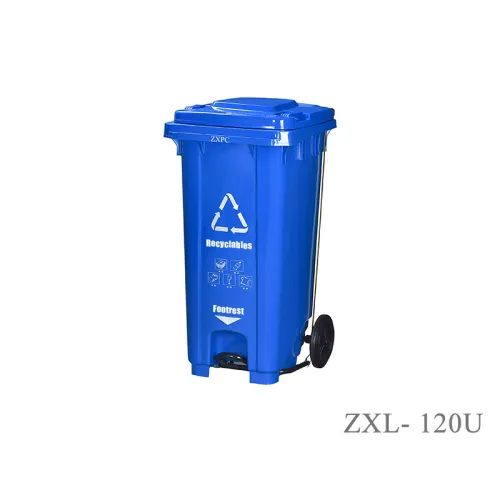
● Outdoor recycling bins
● Pedal trash cans
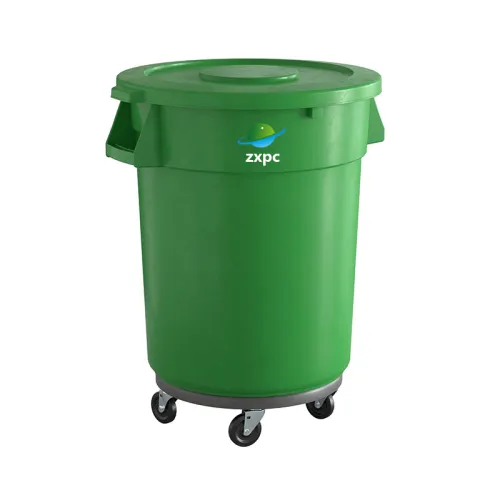
● Mobile wheelie bins
We support:
?
Looking for classified trash bins for waste sorting projects? Contact ZXPC for customized recycling bin solutions and wholesale supply.