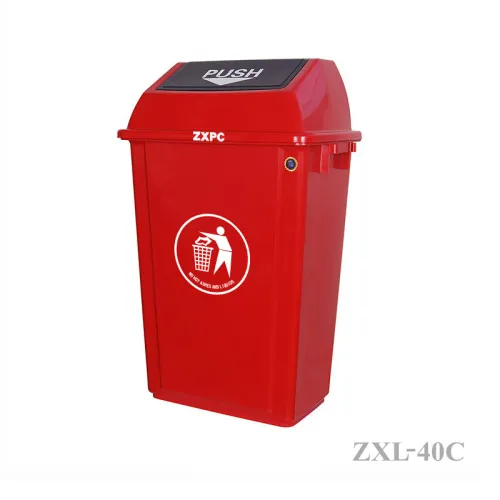
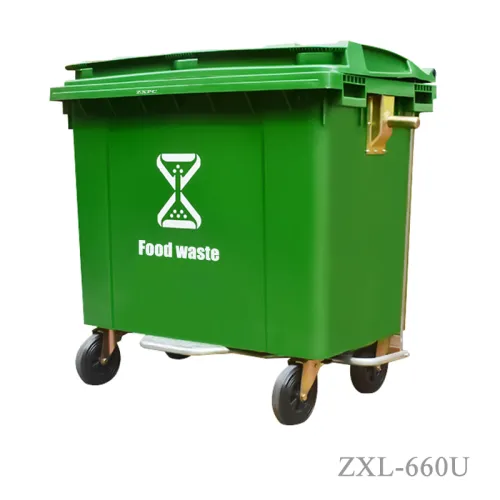
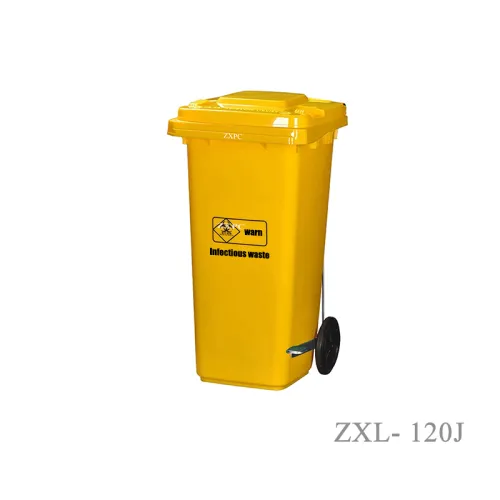
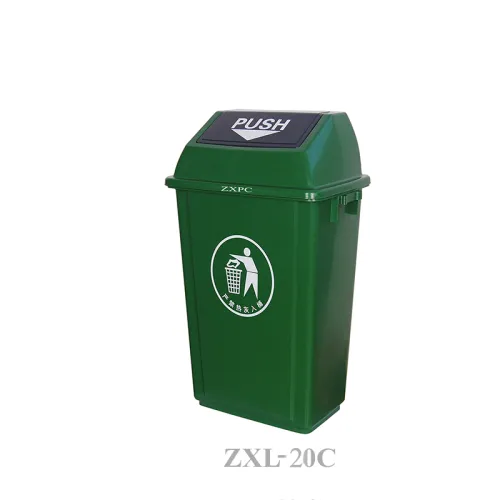
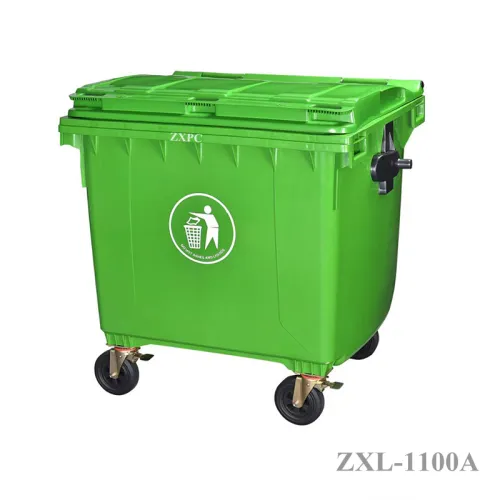
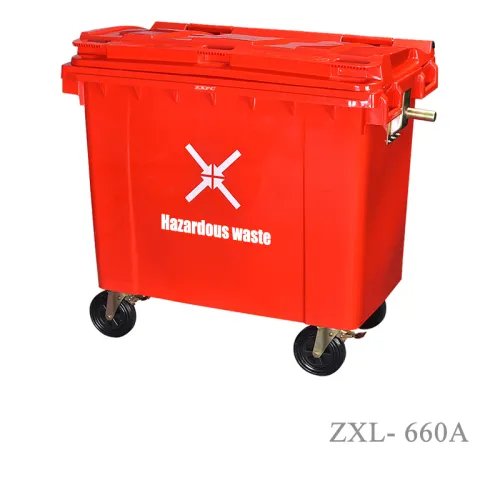
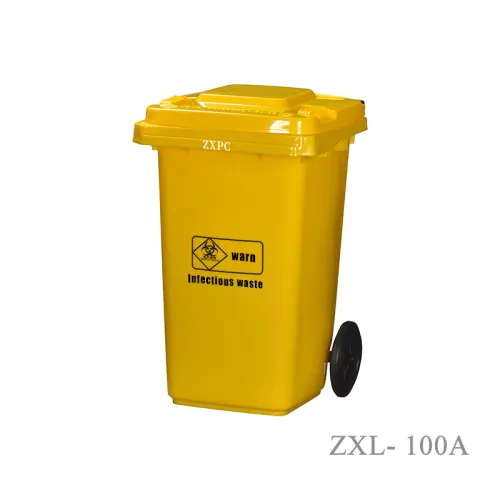
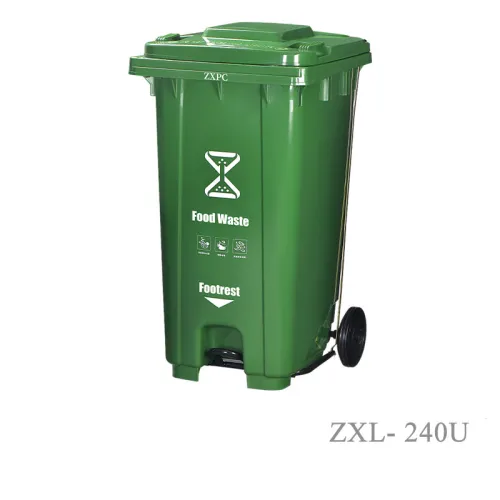
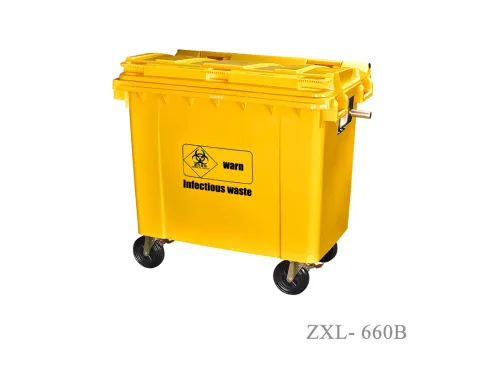
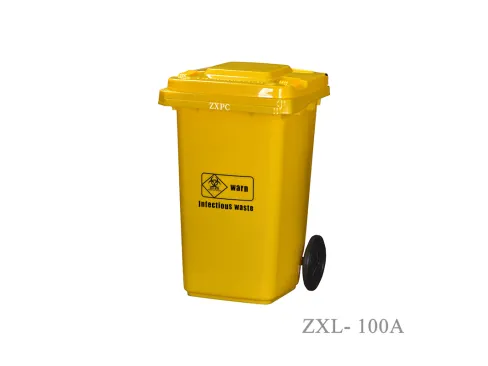
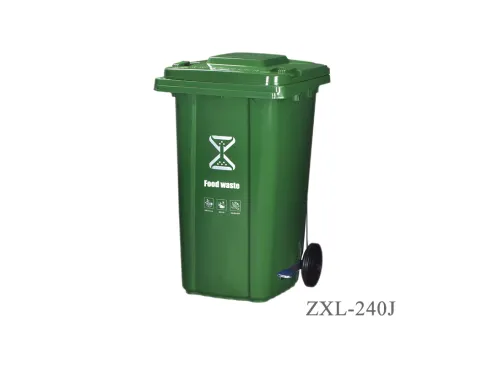
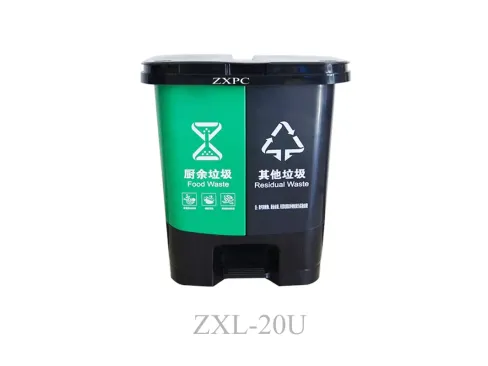
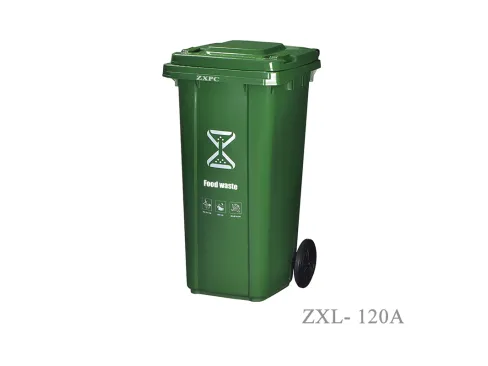
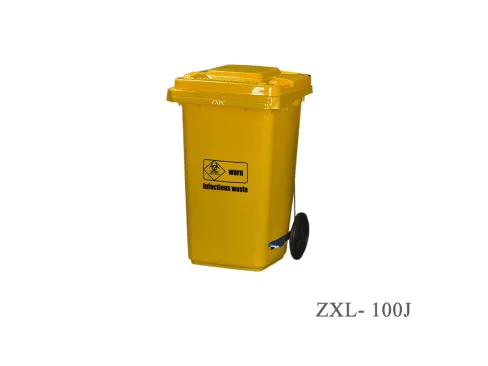
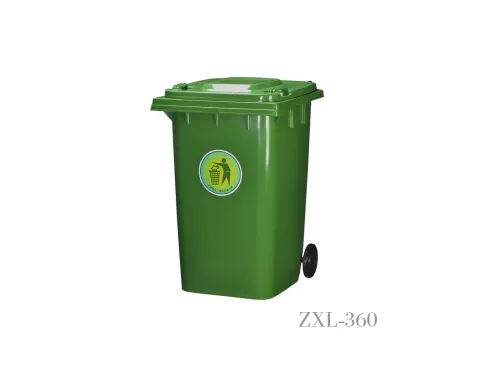
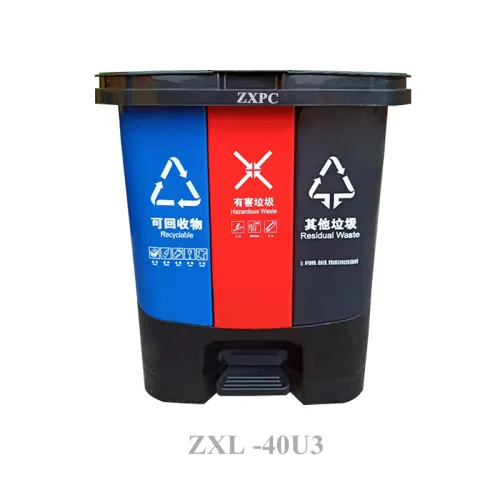
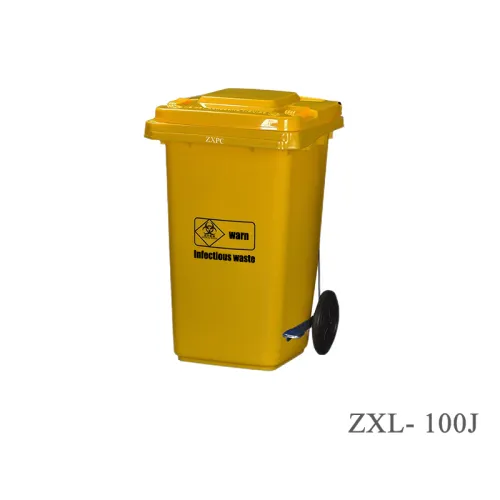
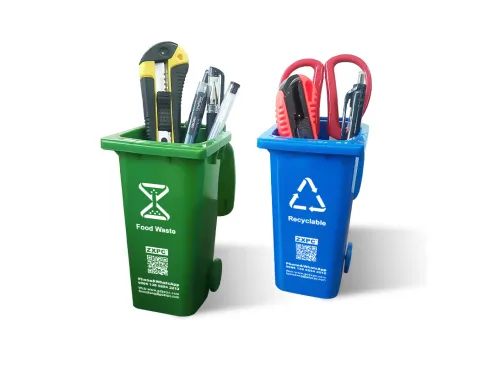
The growing urban population has led to a significant increase in waste production, intensifying the demand for effective waste management solutions. Outdoor Classified Dust Bins are now more essential than ever, providing a means to differentiate waste streams such as recyclables, organic waste, and non-recyclables. However, 65% of municipalities report challenges in properly segregating waste, leading to contamination and increased landfill usage. According to a recent study by the National Waste Management Association, implementing smart waste bins can increase recycling rates by over 50% while reducing costs associated with waste collection. Thus, the prevalent pain points—poor waste segregation, pollution, and ineffective cost management—are being addressed through innovative solutions such as connected outdoor classified dust bins.
The surge in urbanization is a critical driver of innovation in outdoor classified dust bins, with cities striving for sustainability and efficiency. The integration of IoT technology in these bins enhances their functionality. For instance, smart sensors can monitor bin capacity in real-time, prompting timely collection. A study published in the Journal of Cleaner Production (2021) indicates that smart waste collection systems can reduce operational costs by 30% due to optimized routing based on actual bin usage. Moreover, brands like ZXPC are at the forefront, integrating user-friendly interfaces and solar-powered sensors to promote eco-friendliness and usability in their models.
Smart bins equipped with IoT technology are revolutionizing waste management. These bins continuously monitor their fill levels and communicate with waste management systems to optimize collection schedules. Recent pilot programs in cities like San Francisco have shown a 40% reduction in unnecessary waste collection trips, improving both efficiency and service quality.
The trend towards sustainability has led to the use of biodegradable materials in manufacturing outdoor classified dust bins. For example, a report from the Environmental Protection Agency notes that using sustainable materials can decrease the environmental impact of waste bins by 25%, encouraging municipalities to invest in greener options.
Modern dust bins are now equipped with features to encourage public participation in waste management. Touchless openings and public display screens that feature recycling education are gaining popularity. According to a study by the University of California, incorporating educational tools can increase proper waste disposal rates by nearly 35%, thus directly impacting overall community cleanliness.
Outdoor classified dust bins equipped with real-time analytics are becoming essential. Local governments can analyze usage patterns, allowing for informed decision-making to enhance waste management strategies. A report from the Waste Management Research Institute revealed that cities using real-time data collected 20% more recyclables compared to those with traditional bins.
The introduction of outdoor classified dust bins significantly impacts consumers, municipalities, and environmental stakeholders. Buyers can expect a noticeable improvement in waste segregation efficiency, reduced costs, and enhanced public satisfaction. Furthermore, communities benefit from cleaner public spaces, reduced environmental impact, and improved recycling rates, ultimately contributing to a smarter and more sustainable city ecosystem.
1. **Conduct a Waste Audit:** Assess your waste generation patterns to categorize types of waste effectively. This can inform the number and types of bins required.
2. **Choose Smart Features:** Invest in bins with IoT capabilities that can provide real-time data analytics and alerts, significantly reducing costs and improving waste management effectiveness.
3. **Public Awareness Campaigns:** Implement community engagement programs to educate citizens on the importance of proper waste segregation.
4. **Evaluate Durability and Material:** When selecting dust bins, consider options like those from ZXPC, which prioritize durability and environmental sustainability, ensuring longevity and minimal maintenance costs.
By embracing these trends, cities can leverage advanced outdoor classified dust bin solutions to not only tackle pressing waste management issues but also foster a cleaner, more sustainable future.