Creating an effective layout for Outdoor Classified Dust Bins is essential for maintaining community hygiene and ensuring residents can dispose of waste responsibly. As I tackled this project for my community, I discovered several strategies that can streamline this process for both newcomers and seasoned planners alike. By implementing organized steps and taking into account the nuances of each phase, we can establish an outdoor classified dust bin system that is efficient and user-friendly.
To begin crafting a successful outdoor classified dust bin layout, I recommend starting with a community assessment. Understanding the demographics and waste generation patterns is crucial. Conduct surveys or hold an initial meeting to gather insights on where bins are most needed, while informing residents of the purpose and benefits of such an implementation. Recognizing the preferred locations will allow for practical placements that people can easily access. In my experience, laying out a visual map can facilitate this process.
After pinpointing optimal bin locations, consider the following key elements for a robust layout:
Accessibility: Bins should be located within a convenient distance, ideally no farther than 150 feet from any residence. Strategically placing them near high-traffic areas, such as parks, playgrounds, and community centers can ensure they are used frequently.
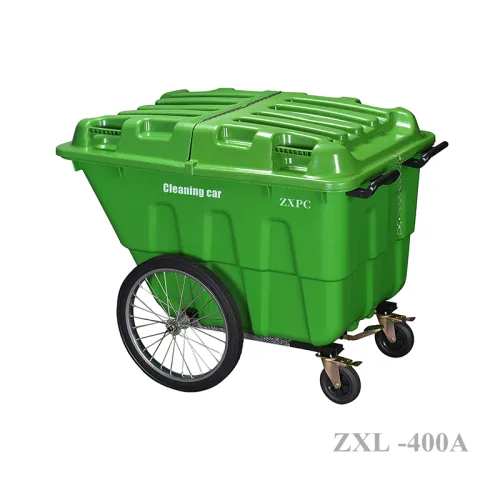
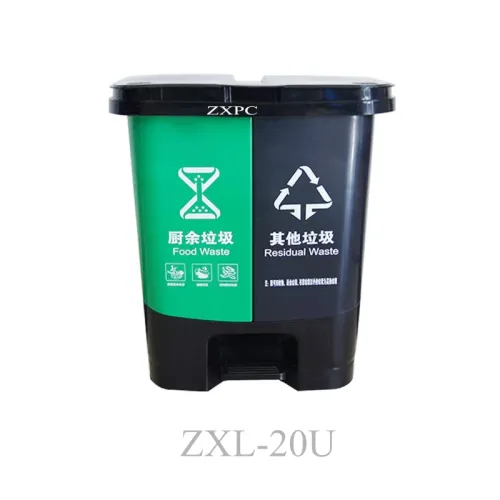
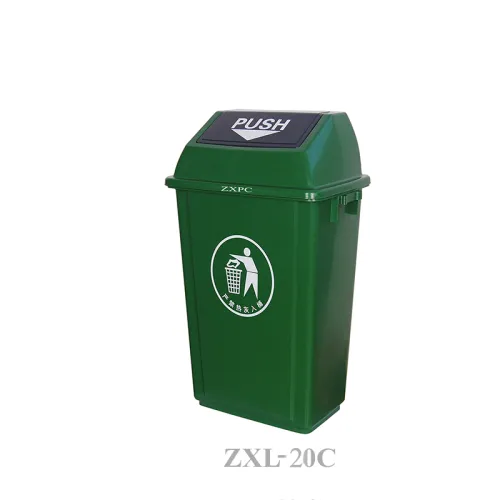
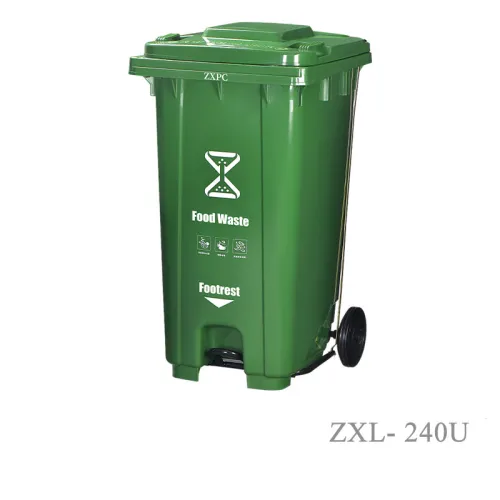
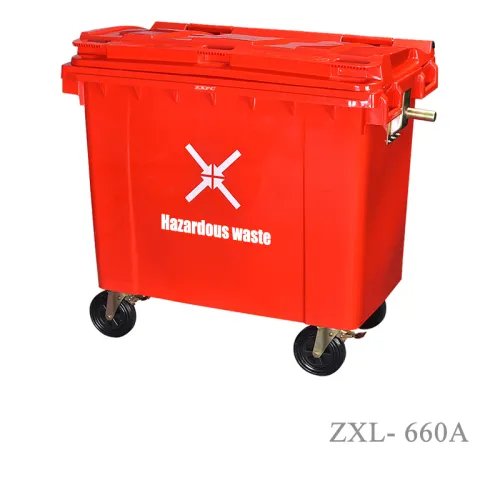
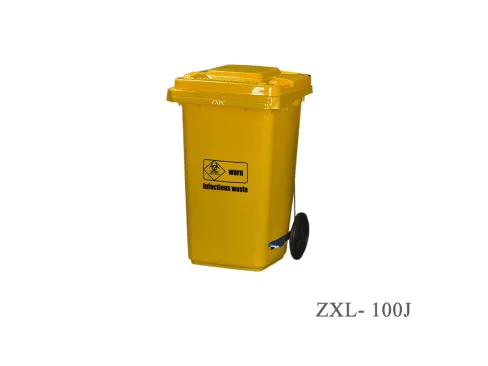
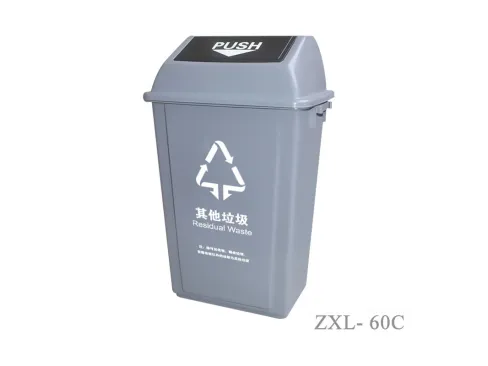
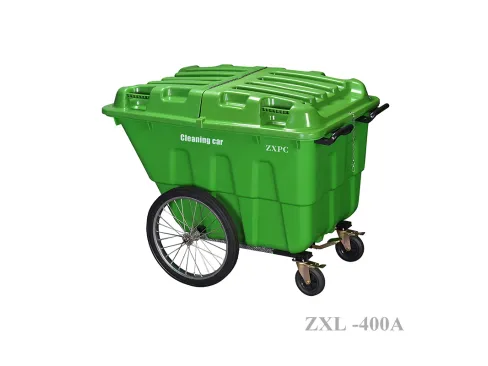
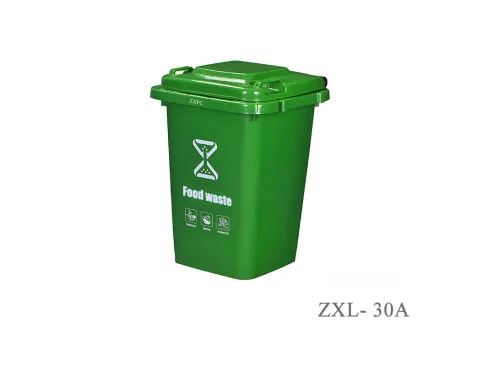
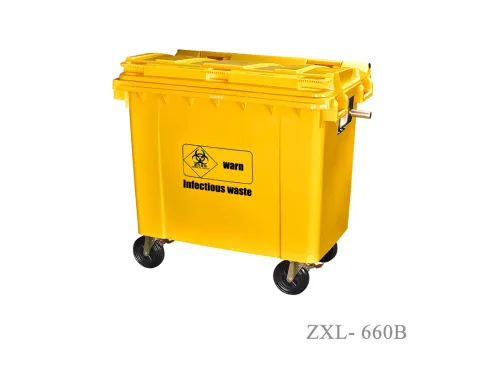
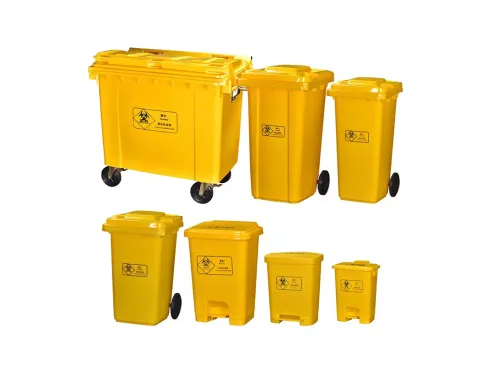
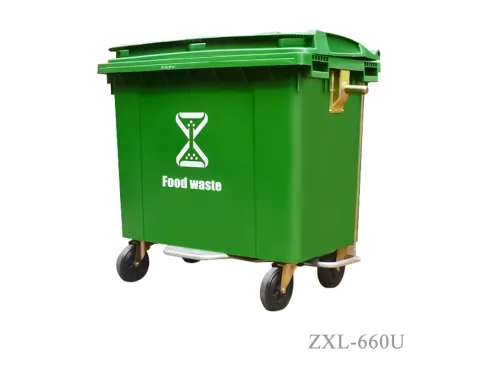
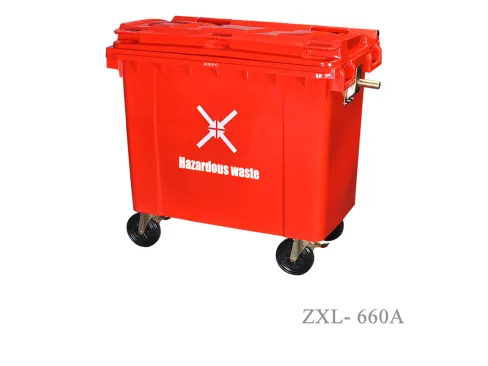
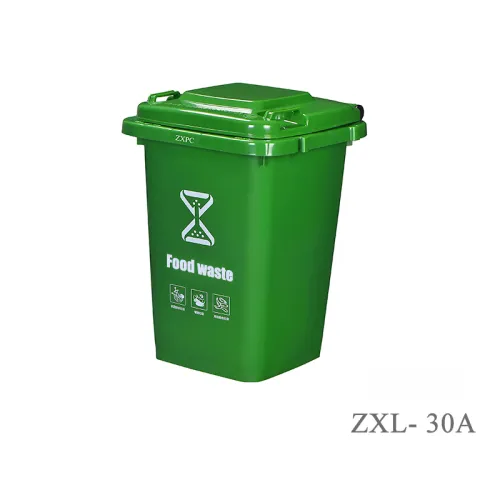
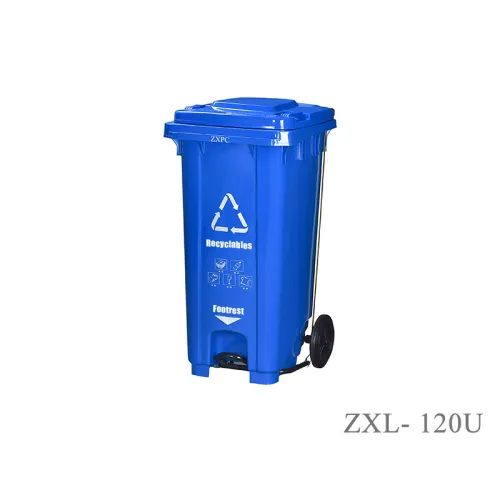
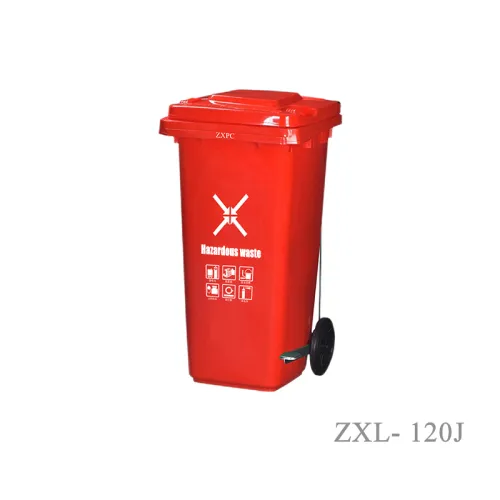
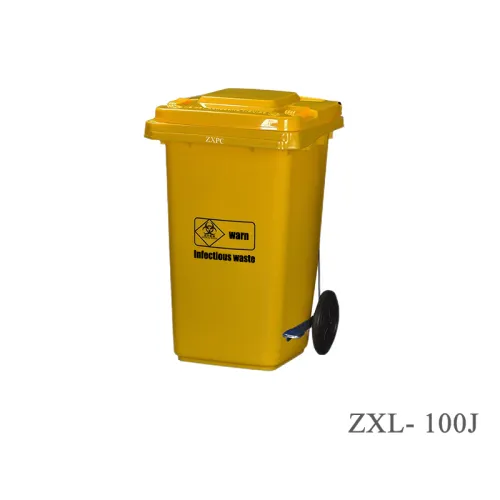
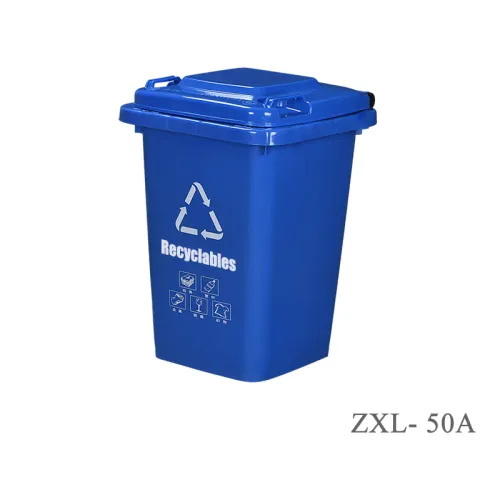
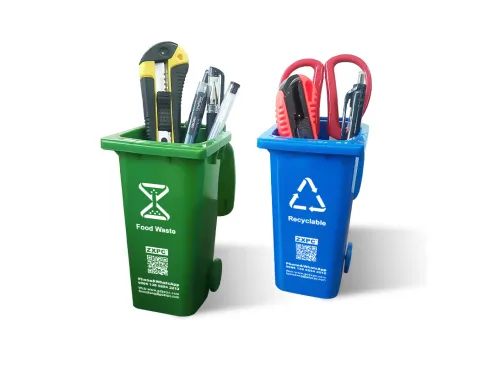
Bin Type: I found that having different types of outdoor classified dust bins for specific waste streams – recycling, compost, and general waste – greatly enhanced sorting. Recommended bin sizes depend on the volume of waste generated; for instance, 120L or 240L bins are common for residential areas.
Visibility: Bins must be clearly labeled and visible to promote usage. Consider incorporating bright colors and large, easily readable text. A successful implementation I observed in a neighboring community involved signage that included images of acceptable waste, significantly increasing compliance rates.
Maintenance Considerations: Plan for regular waste collection and maintenance. Local authorities or community volunteers should oversee this process to ensure bins do not overflow, leading to litter and unsanitary conditions.
Following the establishment of these parameters, I recommend engaging with local waste management services for advice on the best practices they recommend. They may offer insights on the appropriate sizing for the outdoor classified dust bins based on your community's waste composition and seasonal fluctuations.
To enhance the credibility of your layout, referencing industry standards such as ASTM-D6400 for composting or other relevant guidelines ensures that your efforts meet recognized benchmarks. Utilizing quality products like those offered by ZXPC guarantees that the bins withstand wear and tear, with many options featuring 100% recyclable materials and a life expectancy of over a decade.
While working through the implementation, you may encounter challenges such as resistance from the community or logistical hurdles in acquiring and maintaining the bins. A proactive approach is vital; keeping the conversation open allows community members to voice their concerns. Holding workshops or informational sessions surrounding waste management can alleviate doubts and engage residents in taking ownership of their environment.
In recap, a successful outdoor classified dust bin layout requires thoughtful planning and consideration of community needs, effective bin placement, ongoing education, and support from waste management services. Start by assessing your community’s requirements, choose the right types of bins, ensure visibility, and maintain a consistent waste collection schedule. Drawing on resources, engaging the community, and addressing challenges efficiently will empower you to create a cleaner, more sustainable space.
Remember, investing time in developing the outdoor classified dust bin system will not only uphold cleanliness but also foster community pride and responsibility. By sharing success stories and assistance from peers, we can inspire other communities to follow suit. For further resources, as I did, look into additional practical tools such as layout design software or consult local environmental organizations to stay informed and connected.
With these strategies in place, your community will enjoy the benefits of a well-planned and executed outdoor classified dust bin layout. For visual reference and inspiration, check our design examples and illustrations at //image.chukouplus.com/upload/C_5163/file/20260130/4cb175df1d0bc04e4c2376526ef425c0.jpg.