In today’s fast-paced medical environment, effective infection control is paramount. I’m excited to share clear, actionable steps on leveraging bio medical waste bins to ensure infection control in your healthcare facility. With the proper implementation of these specialized bins, you can significantly reduce the risk of infectious disease transmission. Let’s dive into the specifics of how these bins operate, the best practices for their use, and how they ultimately protect both staff and patients.

Using bio medical waste bins is crucial in managing hazardous materials that can lead to infections. According to the World Health Organization, improper handling of medical waste can increase the risk of healthcare-associated infections (HAIs) by 25%. Here’s how I recommend integrating these bins into your infection control strategy effectively:
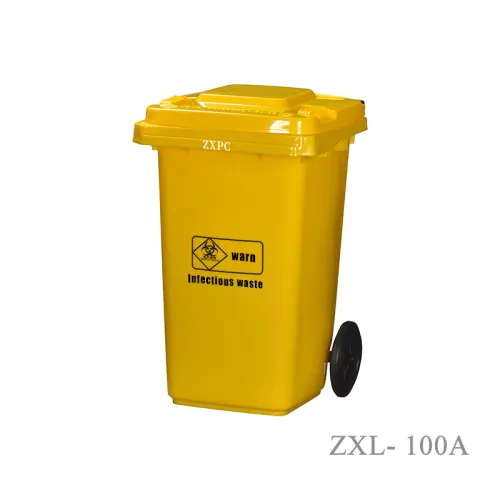
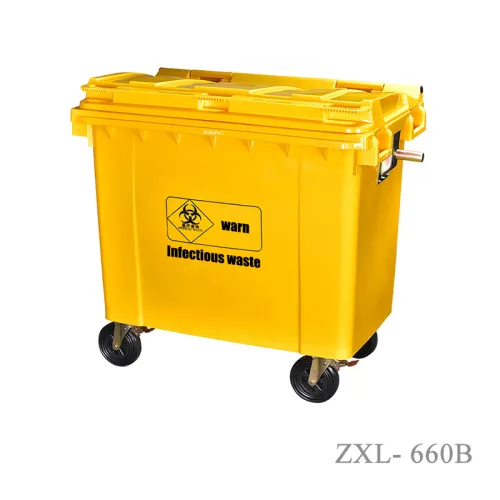
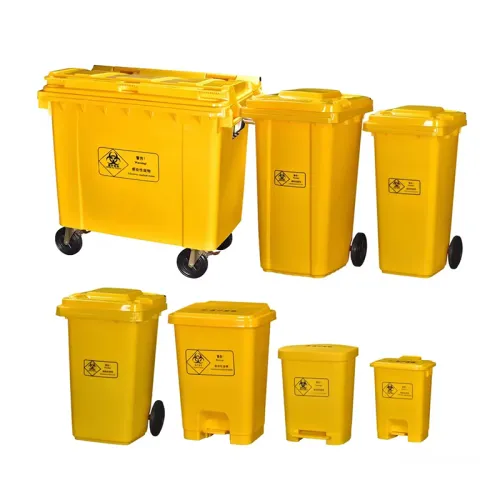
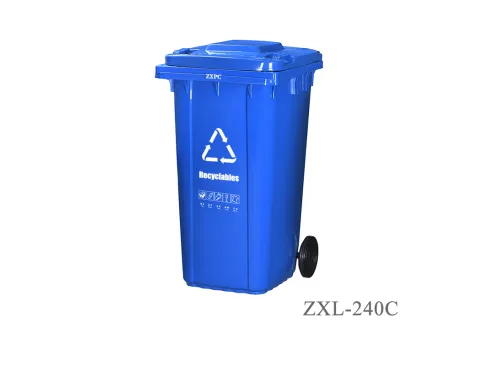
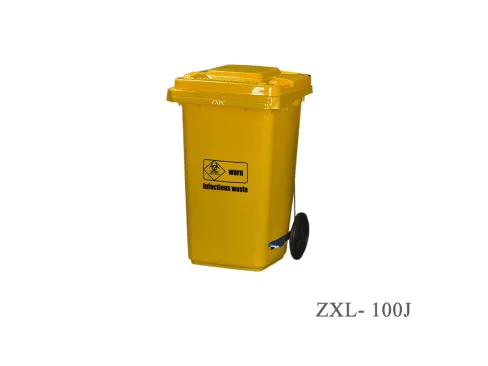
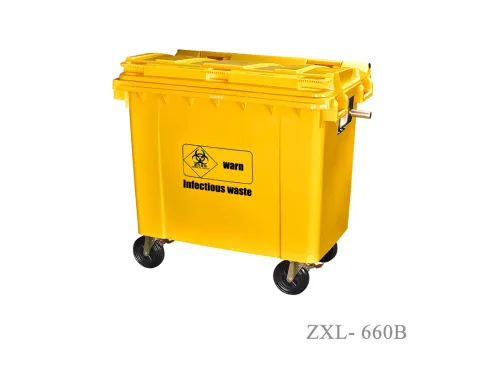
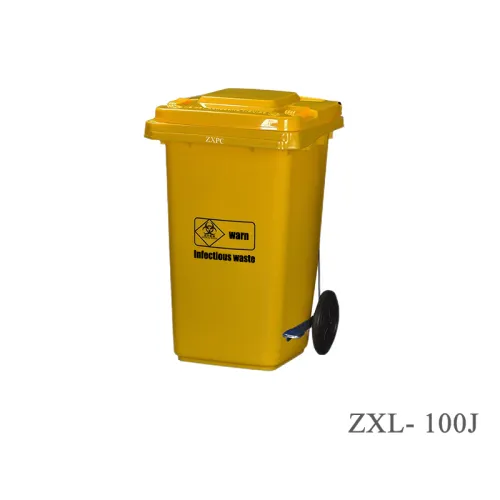
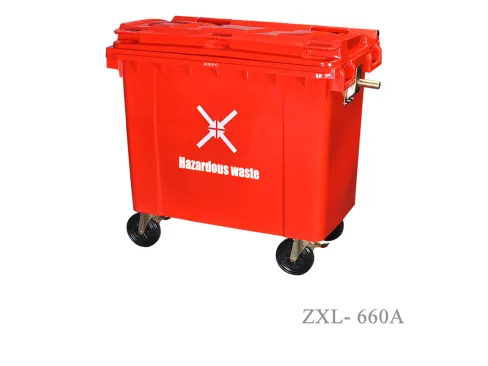
Choose the Right Bin: Start by selecting top-quality bio medical waste bins that comply with industry standards like ASTM D698 and DIN 55473. ZXPC bio medical waste bins offer robust constructions designed specifically for hazardous medical waste. Opt for bins with secure lids and color-coded designs (like yellow for clinical waste) to minimize cross-contamination risks.
Train Your Staff: It’s essential to train all healthcare staff on the proper use of bio medical waste bins. Ensure they understand what materials go into these bins, emphasizing the importance of disposing of infectious waste promptly and correctly.
Establish Clear Protocols: Develop clear protocols for the collection and disposal of waste. Designate specific areas for waste segregation to streamline the process. I recommend documenting these protocols and putting up signage near waste disposal locations to reinforce compliance.
Schedule Regular Waste Collection: Implement a routine collection schedule for bio medical waste to prevent overflow and maintain hygiene standards. Ideally, waste should be collected and disposed of every 24 hours, depending on the volume generated in your facility.
Monitor and Evaluate: Create a system for monitoring the effectiveness of your bio medical waste management practices. Regular audits, with a focus on bin maintenance and in-use practices, can identify areas of improvement. Make adjustments based on feedback from staff and infection rates.
While implementing these practices can greatly enhance infection control, challenges may arise, such as staff resistance to new protocols or logistical issues with waste disposal services. Here are some strategies I’ve found effective in overcoming these hurdles:
Engagement and Involvement: Involve staff in the development of waste disposal protocols to foster a sense of ownership. Provide incentives for adherence to infection control practices.
Feedback Loop: Establish a feedback mechanism where staff can voice concerns or suggestions. This continuous improvement approach encourages compliance and helps address any logistical issues promptly.
Utilize Technology: Consider using tracking software to monitor waste disposal efficiently. Tools like RFID can help manage waste collection schedules, ensuring timely pickups and reducing the risk of overflow.
I also recommend using resources from reputable organizations like the Centers for Disease Control and Prevention (CDC) and the Environmental Protection Agency (EPA) for best practices in waste management and infection control.
To effectively utilize bio medical waste bins in supporting infection control, follow these key steps:
Act now by evaluating your current waste management practices and integrating these steps into your infection control strategy. The real-world benefits—improved patient safety, reduced infection rates, and enhanced compliance with health standards—are just steps away.
In my experience, implementing these strategies not only enhances infection control but also fosters a culture of safety and responsibility within the healthcare environment. Together, let’s take action to ensure our facilities are places of healing, free from the risks associated with improper bio medical waste disposal.