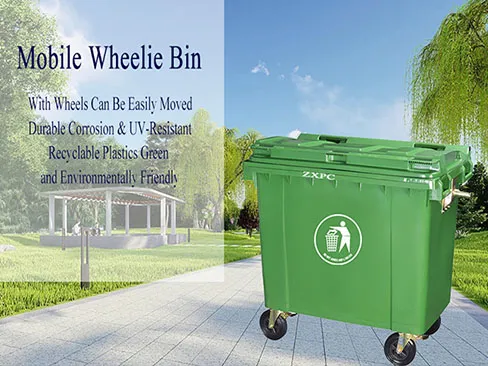
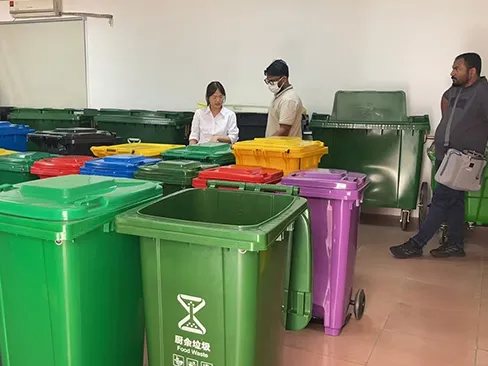
Clinical waste wheelie bins are essential for the efficient management and disposal of medical waste in clinics. Proper labeling of these bins ensures compliance with health regulations, enhances safety protocols, and fosters waste segregation practices. This guide provides actionable steps and detailed insights into the labeling requirements, best practices, and compliance standards for clinics managing clinical waste.
Clinical Waste Wheelie Bin Labeling Guide for Clinics
Effective waste management starts with correctly identifying and segregating clinical waste. This can include sharps, infectious waste, hazardous materials, and general waste. According to the U.S. Environmental Protection Agency (EPA), hospitals generate an estimated 5.9 million tons of waste annually, making proper waste segregation crucial.
Understanding Clinical Waste Segregation
Selecting appropriate wheelie bins for clinical waste involves understanding technical specifications. The bins should be:
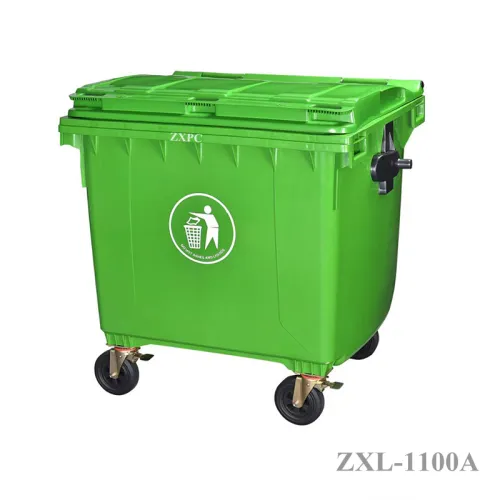
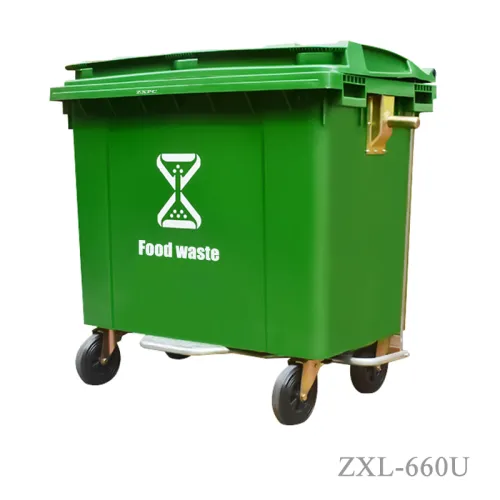
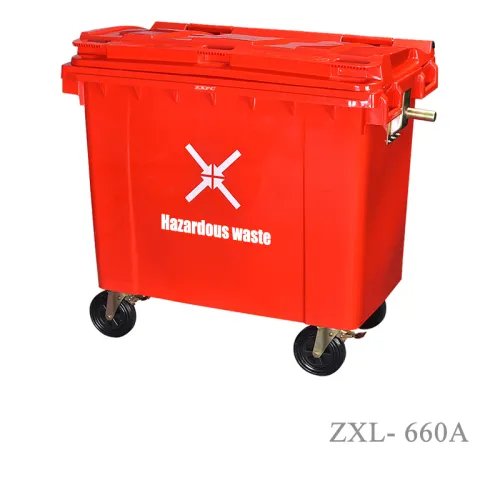
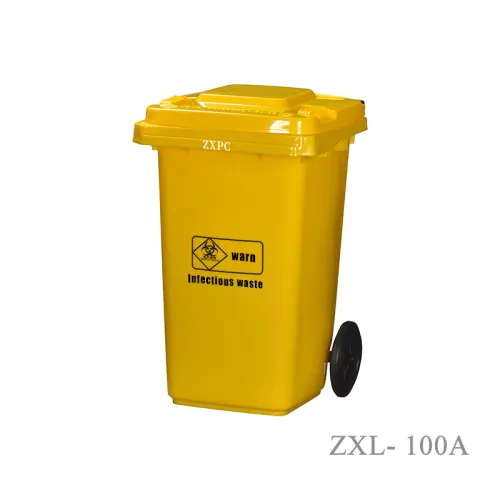
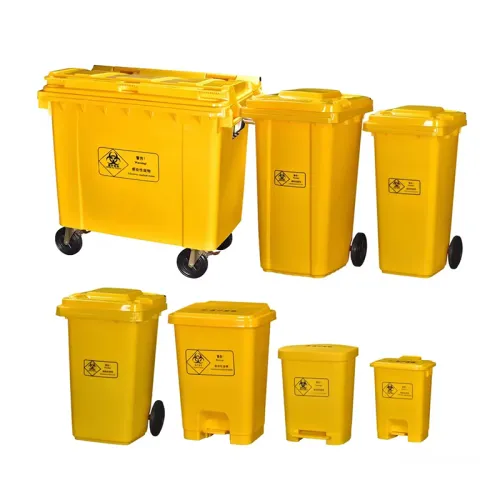
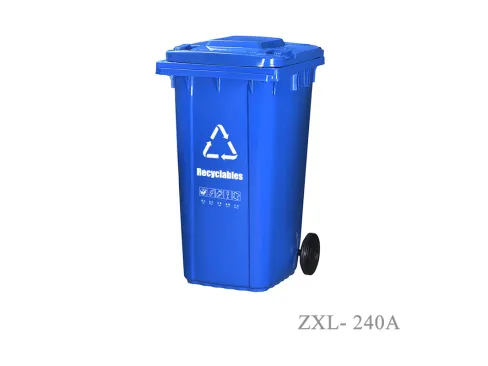
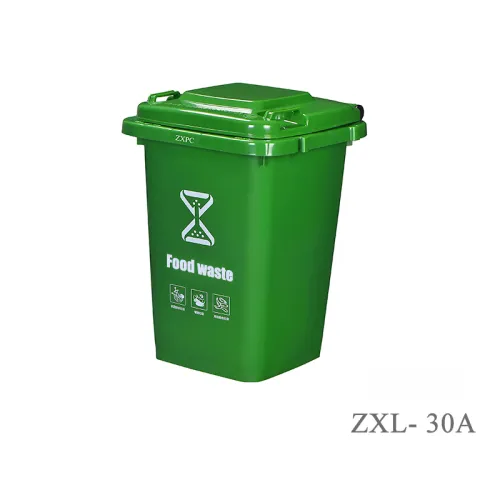
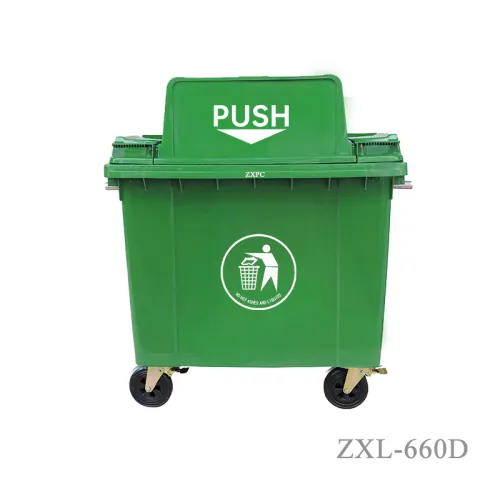
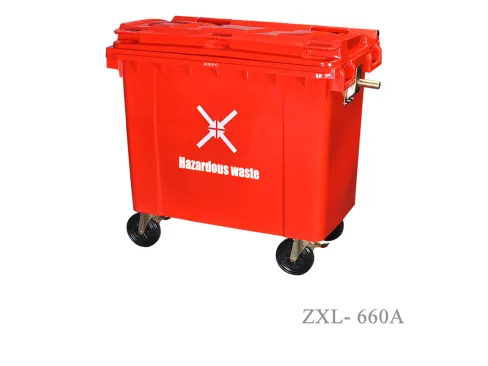
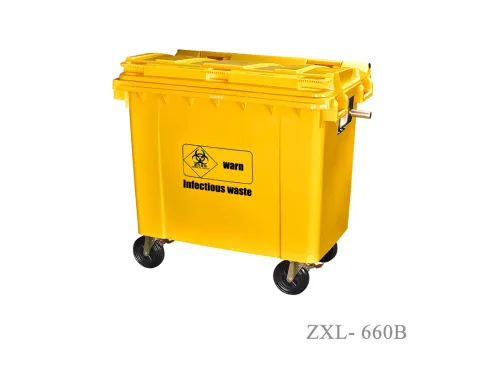
- **Color-coded:** Red for infectious waste, yellow for hazardous waste, and black for general waste.
- **Material:** Made from high-density polyethylene (HDPE) for durability and leak resistance.
- **Capacity:** Typically ranges from 120 to 240 liters. The size of the bin should align with your clinic's waste generation rate.
Choosing the Right Wheelie Bin
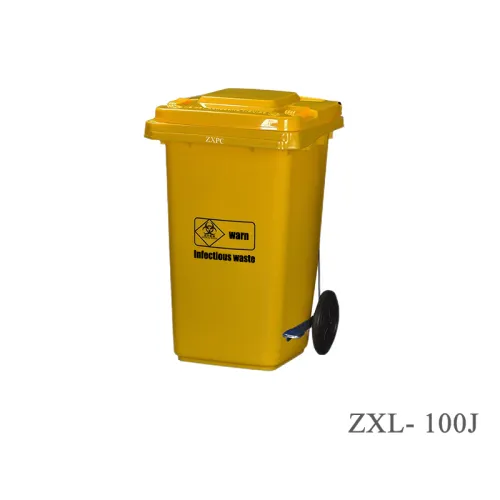
Labels on clinical waste bins are critical for safety and legal compliance. Here are the labeling requirements:
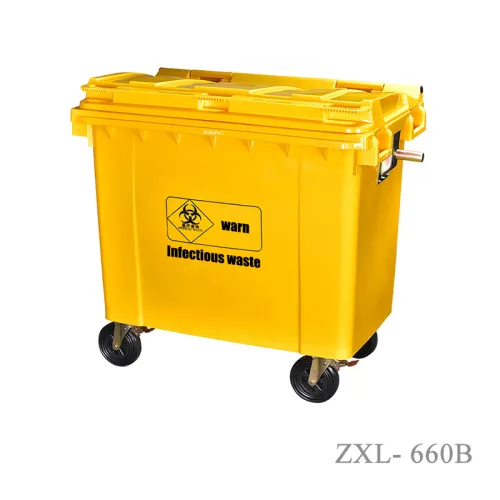
- **Hazard Symbols:** Use internationally recognized symbols to indicate the type of waste.
- **Clear Text:** Include the type of waste (e.g., infectious, sharps) in bold letters.
- **Compliance Information:** Labels should reflect compliance with relevant local and national regulations, such as the CDC guidelines.
- **Reflective Material:** Use labels made from weather-resistant and reflective materials for visibility.
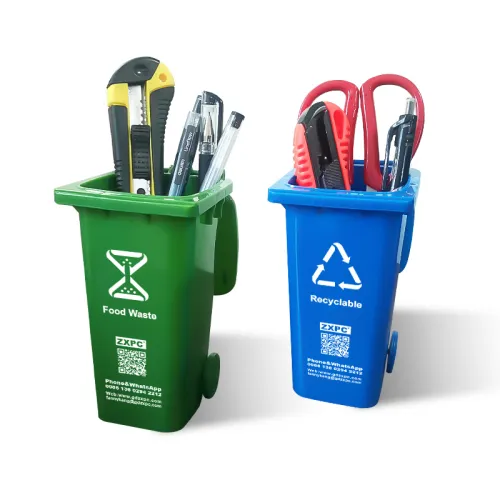
- **QR Codes:** Implement QR codes linking to detailed waste management protocols for quick reference by clinic staff.
Labeling Requirements and Best Practices
Training staff on proper waste disposal practices and conducting regular audits enhances compliance and safety. Here’s how to systematically implement this step:
- **Schedule Quarterly Training:** Educational sessions should be conducted quarterly to refresh staff knowledge and update them on any changes in regulations.
- **Conduct Waste Audits:** Monthly audits should assess segregation practices and bin usage, identifying any areas of improvement.
- **Utilize Feedback Mechanism:** Establish a feedback system to ensure that staff can report issues related to clinical waste management.
Conducting Regular Audits and Training
Leveraging technology can streamline clinical waste management. Consider these implementations:
- **Digital Inventory Tracking:** Use software to monitor waste generation and disposal logs for compliance tracking.
- **Automated Alerts:** Set up alerts for when bins are nearing capacity, ensuring timely disposal.
- **Mobile Compliance Apps:** Deploy apps that provide instant access to guidelines and best practices for clinic staff.
Implementing Technology Solutions
Collaborating with accredited waste disposal companies is vital for safe waste management. Guidelines include:
- **Certification Checks:** Ensure your waste disposal partner is certified and compliant with local regulations.
- **Regular Reviews:** Assess the performance and compliance of your waste disposal services annually.
- **Cost Analysis:** Conduct a cost-benefit analysis of different disposal partners based on safety, efficiency, and expenses.
Engaging with Waste Disposal Partners
Establish key performance indicators (KPIs) to continually assess your waste management practices. Metrics to consider include:
- **Waste Reduction Rates:** Measure the volume of clinical waste generated per patient to identify trends.
- **Segregation Efficiency:** Monitor the percentage of waste accurately segregated into the correct bin.
- **Compliance Rates:** Track how often your clinic meets regulatory compliance during audits.
Monitoring and Continuous Improvement
Regularly evaluate the effectiveness of your waste management strategy using quantitative data and audits. Set benchmarks for improvement related to safety, compliance, and operational efficiency.
By adhering to these guidelines and standards, clinics can ensure that their clinical waste management systems are both compliant with regulatory standards and effective in minimizing risk to public health.
Ultimately, fostering a culture of safety and awareness regarding clinical waste management begins with proactive steps in labeling and segregation, continuous training, and leveraging technology efficiently. Proper implementation of these practices not only safeguards your clinic but also significantly impacts the broader community's health.
Evaluating the Effectiveness of Your Practices